
How to Deal With Anger: The Wrath of Achilles

Achilles lost his honour and then his closest friend, and his rage nearly destroyed the Greek army. Through his story, we explore how to deal with anger by understanding the appraisals that fuel it. We also look beneath anger at the hurt, grief, and shame it protects. Finally, we share practical therapy tools for calmer, healthier responses.
Borderline Personality Disorder: A Thread Below a Fragmented Self

What happens when a feeling stops feeling like a feeling, and starts feeling like who you are? For people living with borderline personality disorder, emotions can become so overwhelming that fear, anger, or rejection can temporarily reshape the entire sense of self. But beneath those shifting states, there is a thread connecting them all. Understanding that thread, and learning how to strengthen it, is at the heart of healing. At Luceris, we help you understand these patterns and build the skills to feel more grounded, connected, and whole.
How to Know If My Relationship Is Unhealthy: Beauty and Beast

Beauty and the Beast becomes a case study in this post. Belle experiences fear long before anyone raises a hand. The castle keeps her isolated from anyone who might help her see the pattern. It also questions whether love alone can change a dangerous partner. This post asks how to know if my relationship is unhealthy, grounded in real research. Luceris offers a space to explore that question and also what to do about it.
Why Do I Feel Lonely in My Relationship? What’s Really Going On
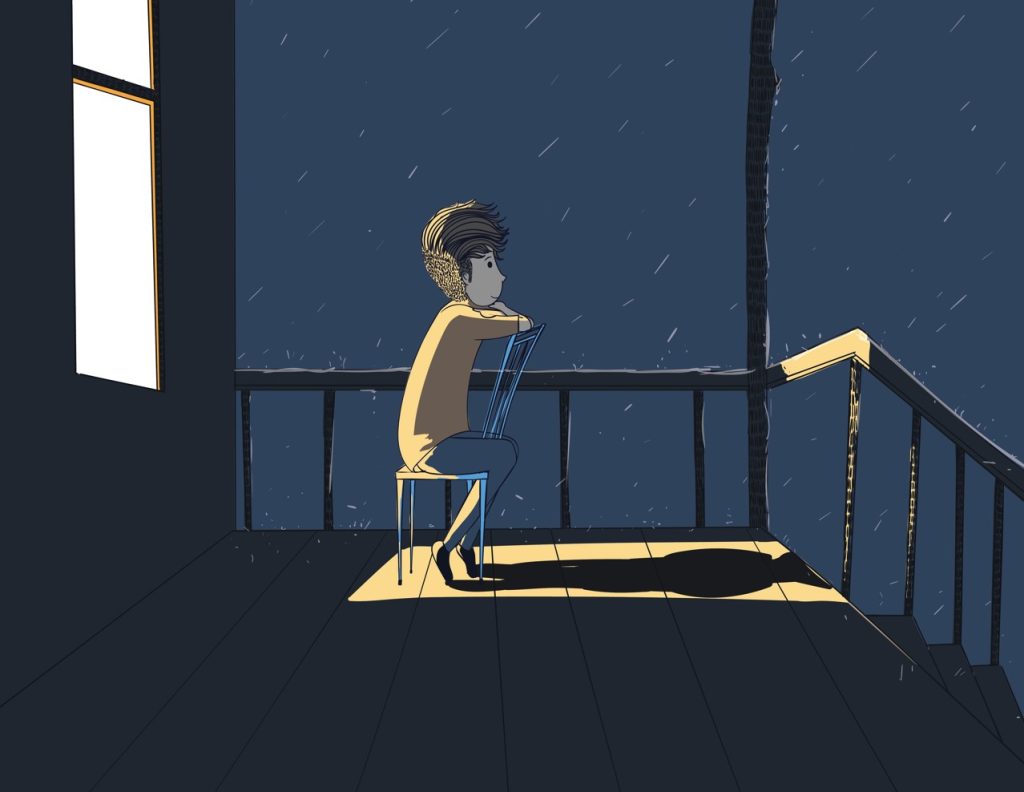
Relational loneliness shows up even in relationships that look fine from the outside; the quiet secrecy and withdrawal that cause it are more common than people think. This post breaks down that pattern through Michael and Kay Corleone’s marriage in The Godfather, and how Luceris helps couples work through the same distance in their own relationship.
How to Stop Resenting My Partner: Macbeth in Emotional Injury
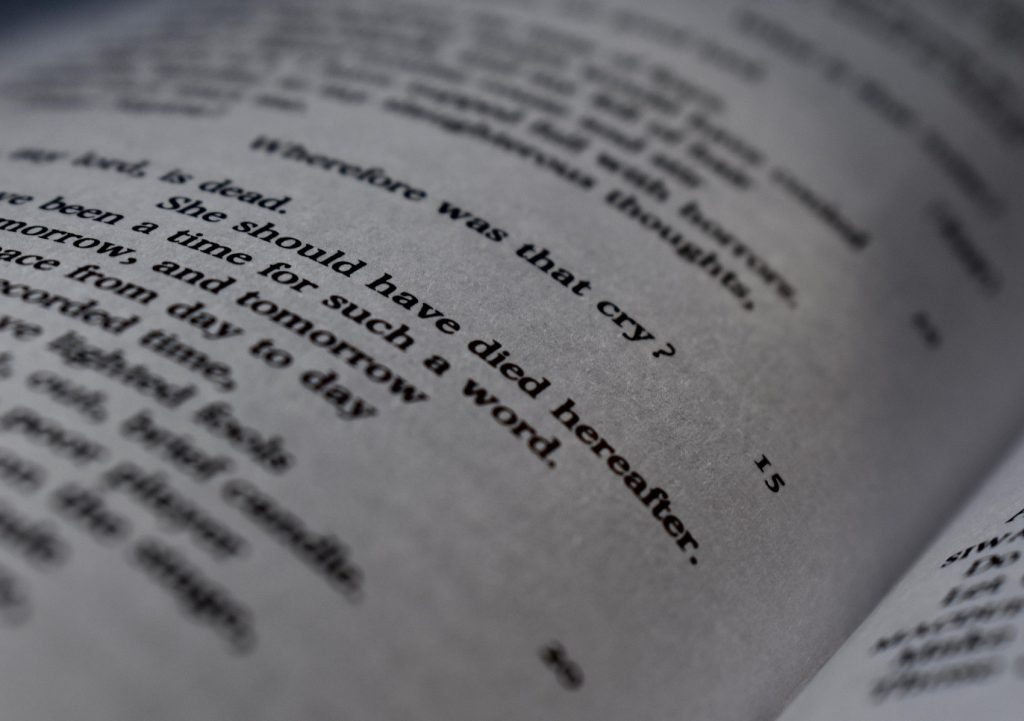
Wondering how to stop resenting your partner? The honest answer starts with naming what resentment actually is, not with finding someone to blame. Macbeth and Lady Macbeth show where unrepaired hurt leads when nobody names it in time. At Luceris, we help couples find that moment and repair it together.
How to Stop Intrusive Thoughts: The Mind’s Paradox

Most advice on how to stop intrusive thoughts assumes stopping is possible. Research suggests otherwise. Suppression makes thoughts louder, and the checking that follows keeps them alive. This piece traces that loop from Dostoevsky’s polar bear to modern clinical models, asks why certain thoughts get labelled dangerous, and looks at the emotion travelling underneath them. Along the way, Eeyore shows what happens when we stop fighting a thought and start agreeing with it instead. Practical skills follow, alongside an honest look at what those skills cannot reach. At Luceris, we help clients build these skills and make peace with the past behind them.
Reconnecting With Inner Child: What the Joker Teaches

Reconnecting with inner child sounds gentle until Heath Ledger’s Joker shows what happens when play loses every boundary. This piece explores the science of adult playfulness, the seductive pull of chaos, and what Shakespeare’s Puck teaches us about risking mistakes without losing our care for others. Luceris helps people find that balance again.
Why Do I Feel Guilty When I Set Boundaries? Morality vs. Power

Unexamined Power and Morality intersect to shape our boundaries and hidden guilt. When we set limits, unrecognized moral programming triggers internal static, leaving us trapped between self-interest and obligation.
Luceris, helps us untangle these complex psychological patterns and support you in navigating boundaries with clarity.
How to Practice Acceptance: From Nietzsche and Odysseus

We all carry an underworld inside us, full of grief, shame, and old wounds. Nietzsche compared his own philosophy to Odysseus’s descent into the underworld, a place we can visit without hiding from it. This post explores how we can practice acceptance by facing our depths and still choosing, again and again, to come home to life.
Vulnerability in Relationships: Individual and Relational Security

We navigate vulnerability in relationships burdened by hidden fear and protective armor. Unseen emotional walls block authentic connection because old relational wounds feed deep avoidance patterns. Dropping these shields demands deliberate courage; shared clinical guidance makes transformation possible. Luceris helps individuals and couples build lasting security through structured clinical pathways.