Why coping with life transitions is not a sign of instability, but a deeper form of becoming, one that invites us to grow through change, not fear it.
When Stability Feels Lost
Most of us are taught to fear change. To see it as a loss of stability, a sign of chaos, or a threat to identity. But what if change is not a breakdown, but a becoming?
At Luceris, we work with many clients coping with life transitions, divorce, relocation, job loss, retirement, or identity shifts that feel like starting over. These moments are often accompanied by confusion, grief, and a longing for clarity.
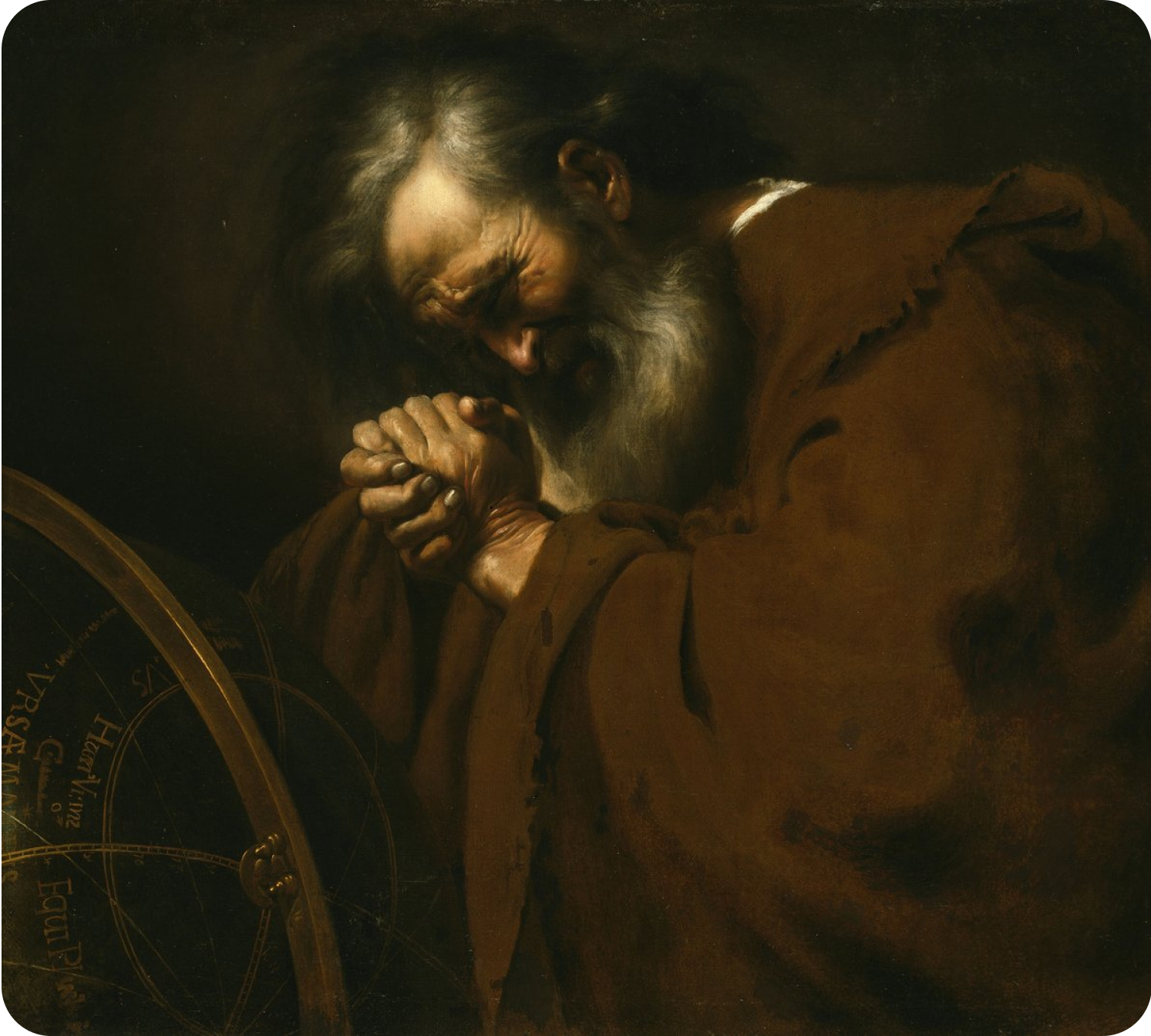
Enter Heraclitus, the Greek philosopher who famously wrote: “You cannot step into the same river twice.” His philosophy reminds us that change is not the exception to life, it is life. And when we stop fighting the current and learn to move with it, something extraordinary happens: healing becomes possible.
Therapy as a Companion in Coping with Life Transitions
In the therapy room, life transitions are rarely just logistical. They are psychological, emotional, and existential. A breakup isn’t only about separation, it’s about who you were in that relationship, and who you now must become. A job change isn’t just professional, it may challenge your sense of purpose, value, or identity.
This is where therapy provides more than just support. It offers a space to make meaning of change.
Heraclitus’ Wisdom: Change as Constant, Not Crisis
Heraclitus did not view change as something to be feared. He saw it as fundamental to existence. Rather than resist the flow of life, he encouraged us to meet it with awareness.
In modern psychology, this mirrors concepts like:
- Psychological flexibility: adapting to change while staying anchored in values
- Narrative therapy: rewriting stories we hold about loss, failure, or identity
- Self-compassion: offering grace to ourselves when life reshapes us
In these approaches, the goal is not to “fix” change, but to befriend it.
Client Story: A New Identity After Divorce
A Luceris client in his early 40s entered therapy after a difficult divorce. He had been married for 15 years. His life had revolved around his partner, children, and routines. Suddenly, that structure was gone.
He said, “I don’t know who I am without this life.”
Through therapy, we explored that statement. Not to contradict it, but to soften it. He was invited to reflect on who he had been before the relationship, what mattered most to him now, and what new chapters he might author going forward.
The turning point came not when the grief ended, but when he said:
“Maybe I’m not losing everything. Maybe I’m being asked to begin again.”
That is the gift Heraclitus offers: not the erasure of pain, but the reframing of it. Change as teacher, or even disruption as doorway.
Why Therapy Helps with Life Transitions
Life transitions challenge our nervous system, our beliefs, and our roles. But they also create unique openings for growth. Therapy offers:
- Stability in the storm: A consistent space to process, express, and regulate
- Values realignment: Clarifying what matters most now, not just what used to matter
- New identity exploration: Making sense of who you’re becoming, not just who you’ve been
- Permission to feel: Grief, anger, hope, fear, none of it is wrong. All of it is information.
Whether you’re coping with life transitions like endings or uncertain new beginnings, therapy can help you stand in that river with more courage, clarity, and self-trust.
Final Thoughts
You cannot step into the same river twice. But you can step into it with new eyes, new strength, and a deeper sense of self.
Life transitions are not detours. They are portals.
At Luceris, we help you walk through them, not as someone who’s lost, but as someone becoming. Book a session or contact us to begin your next chapter with clarity and support.