
Resentment in relationships usually grows from hurts and needs that neither partner has spoken aloud or or tried to resolve. Learning how to stop resenting your partner starts with finding the source and talking about it once it feels safe, since swallowing the hurt to avoid a fight keeps it growing.
Many people ask us how to stop resenting my partner in couples therapy, and many of them also feel guilty for asking.
What resentment in a relationship is
Resentment is hurt or anger that we hold on to and replay, in most cases not even trying to share it with our partner. It builds slowly through small moments that repeat: your need goes unmet or your line gets crossed, seemingly without realization, and there’s no effort to repair that damage. Resentment builds further because that hurt that seem deliberate, or that start to feel like a pattern, and it tends to push people further apart (Vangelisti & Young, 2000).
Feeling resentment doesn’t make you a bad partner. Good partners feel it too, and feeling it means that there’s a need somewhere underneath and that needs isn’t being communicated or tended to.
Signs you resent your partner
Most people first notice resentment in a relationship in small, everyday behaviour. Common signs include:
- Small things irritate you, like how your partner loads the dishwasher.
- You keep a private, running tally of who did more chores or who apologized last.
- Sarcasm or an eye-roll replaces a direct request.
- You pull away and stop sharing the small details of your day.
- Affection and desire fade, often without either of you mentioning it.
- You replay old fights in your head.
- You feel like the only one trying.
One sign on its own can mean you’re having a bad week. But if you notice several signs and they keep showing up, resentment has probably built up.
Where presenting your partner comes from
Most resentment starts with one of a few common sources:
- An unequal share of chores or the mental load (all the planning a household needs)
- Expectations that nobody ever said out loud
- Feeling second to work, phones or family
- Old hurts or a betrayal that the two of you never repaired
- Giving a lot and never asking for anything back
Big changes add pressure too. Becoming parents or losing a job changes who does what at home, and old agreements stop fitting. Partners that are not aware of that can’t name the change, but that doesn’t mean a change didn’t happen.
Couples therapists call one especially painful old hurt an attachment injury: a moment when one partner needed comfort and the other abandoned or betrayed them (Johnson et al., 2001). Couples tend to keep circling back to an injury like this, and relationship repair can stall until it’s resolved.
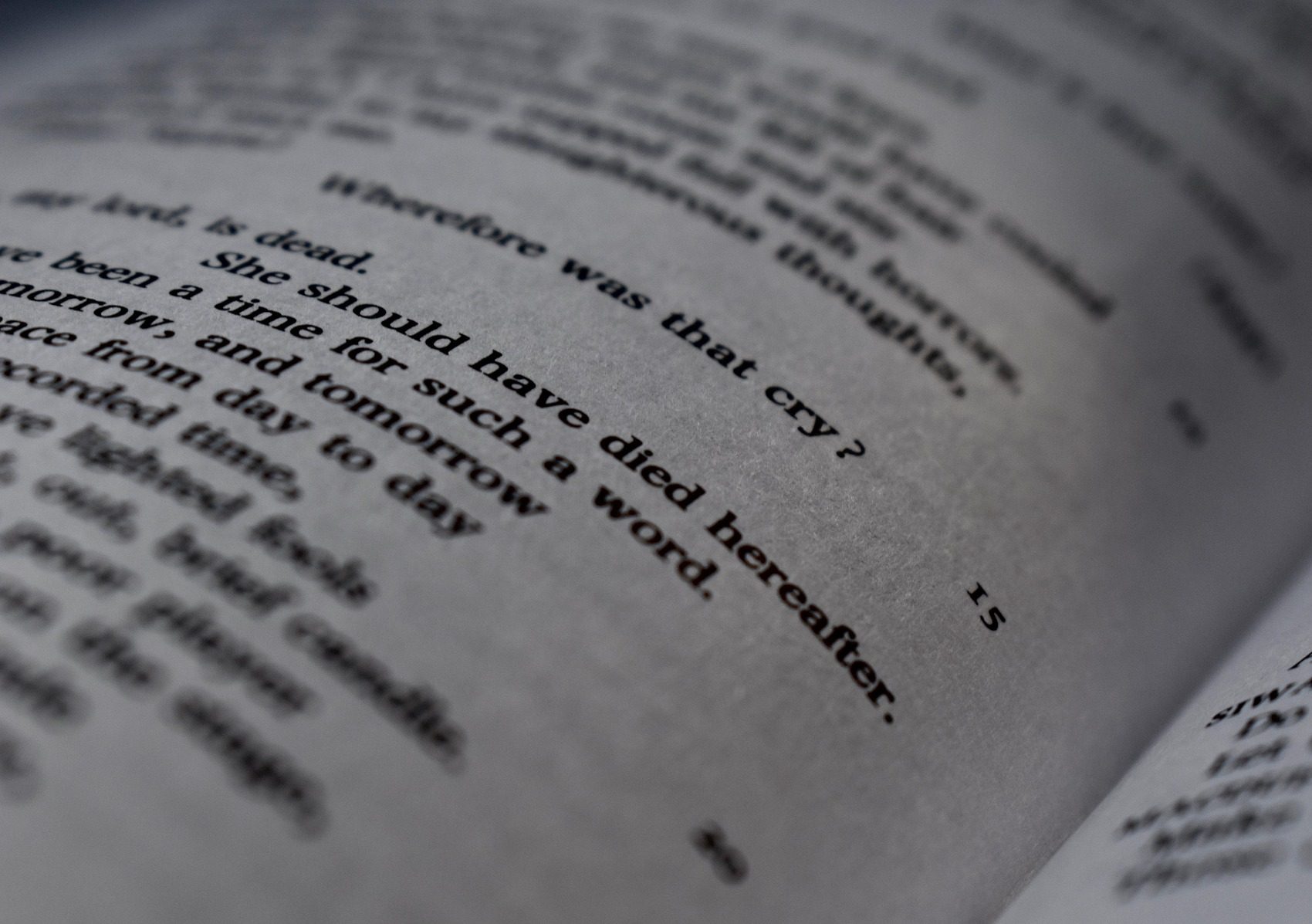
Shakespeare wrote this kind of distance into a marriage in Macbeth. Early in the play, Macbeth and his wife make their plans together. By the middle, he has stopped telling her what he intends. When she asks, he calls her “dearest chuck” and tells her to stay “innocent of the knowledge.” The pet name survives while the closeness goes. From then on, each of them struggles alone, and neither ever names what changed between them.
Resentment also grows wherever talking has stalled. Our article on communication breakdown in relationships looks at that pattern.
How to stop resenting your partner, step by step
The first three steps happen on your own, before you say anything to your partner.
- Name it and find the source. Ask yourself what exactly keeps hurting, and write it down in one sentence. “I plan every meal and nobody notices” gives you something specific to raise.
- Check your expectations. Have you ever told your partner what you expect, in plain words? Many resentments grow from agreements only one partner knew about.
- Look at your part, kindly. Look for needs you’ve never voiced, and for times you said yes when you meant no. Go easy on yourself here, since the aim is to find what you can change.
- Calm the anger before you talk. Raising resentment while you’re angry usually turns into a fight. Wait until your breathing has slowed and you can listen as well as speak. Our guide on how to deal with anger has ways to calm down first.
- Ask for one specific change. Pick the change that would matter most, and make it small enough for your partner to say yes to. “Could you take over bath time on weeknights?” gives them something to act on this week.
- Notice what is going right. When we feel resentful, we mostly notice what our partner gets wrong. Make a point of noticing what they do well, and tell them.
- Let go of what you’ve both repaired. Once your partner has owned a hurt and changed the behaviour, you can start to let it go. Forgiveness happens slowly and in stages, and each time the old memory returns, you choose again whether to dwell on it. Nobody owes forgiveness, especially while the hurtful behaviour is still happening.
Lady Macbeth swallows her own unhappiness in that same scene. Alone, she admits that getting everything they wanted has left her without peace: “Nought’s had, all’s spent.” When her husband walks in, she tells him “what’s done is done” and turns to calming him. He never hears what she just said to herself. Step 3 asks you to look for needs like hers, the ones you’ve only ever said to yourself.
How to tell your partner you resent them
- Pick a calm moment when neither of you is tired or rushing out the door, and ask first whether now works for them.
- Use “I” statements, which start with what you feel and what you need. They keep the focus on your experience, which makes a defensive reply less likely.
- Stick to one issue per conversation. When your partner responds, hear their side all the way through before you answer. They may have resentments of their own, and hearing them is part of the repair. For example:
“I want to talk about something that has been building up for me. Lately I feel resentful about our evenings. Most nights I handle dinner and bedtime, and I feel alone with it. Could we split bedtime? I’d also like to hear how evenings feel for you.”
- Own the hurt you’ve caused. If you’ve hurt your partner too, owning that helps them feel heard, and our guide on how to apologize can help. Saying any of this takes courage, which we cover in our post on vulnerability in relationships.
What Lady Macbeth never says to her husband comes out anyway. Late in the play she walks in her sleep, watched by a doctor and a lady-in-waiting, and repeats a darker version of the line she once used to close the subject: “What’s done cannot be undone.” Hurt that isn’t said out loud tends to find another way out. Raising it with your partner, calmly and on purpose, gives it a better way out.
Can a relationship recover from resentment?
Yes, a relationship can recover from resentment, and many couples do when both partners are willing to talk and make changes. Nobody can promise that for any one couple, and sometimes resentment points to something deeper, such as an old attachment injury or a real difference in what you each want.
Emotionally Focused Therapy (EFT) has a step-by-step way of repairing an attachment injury. The partner who caused the hurt learns to stay present while the other describes the pain. The injured partner, in turn, names a need that once felt too risky to say, such as “I needed you there that night, and you weren’t.”
Couples who resolved an injury this way reported more forgiveness and higher relationship satisfaction (Makinen & Johnson, 2006), and they kept those gains three years later (Halchuk et al., 2010). Not every couple in that research resolved their injury.
When resentment comes from fear or control
Some resentment grows out of control, threats, fear or abuse. In that situation, safety comes first, and joint sessions on communication come later, if at all. Our article on signs of an unhealthy relationship can help you make sense of what’s happening.
If you’re in danger, call 911 or a local support line. If you’re in crisis or thinking about suicide, call or text 9-8-8.
When to get help together
It may be time for couples therapy if you notice any of these:
- The same fight keeps coming back.
- You talk about chores and schedules and little else.
- One of you is thinking about leaving.
At Luceris Pshychotherapy Clinic, we support couples through this kind of repair with Emotionally Focused Therapy. We offer online couples therapy, so you can both join from home anywhere in Canada.
Either partner can also start alone. If your partner isn’t ready, individual therapy gives you a place to work through the resentment.
Frequently asked questions
Is it normal to resent your partner sometimes?
Yes, it’s normal to resent your partner sometimes. Some resentment is part of any long relationship, because two people with different needs will let each other down at times. The resentment that needs attention is the kind that keeps growing because nobody talks about it.
What if my partner resents me?
If your partner resents you, start by asking what keeps hurting them, then listen and save your side until they’ve finished. Resentment usually means a need of theirs has gone unmet for a while. Owning your part of it helps your partner feel heard.
How do you process resentment on your own?
You can process resentment on your own by writing down what hurts and what you need. Putting it on paper helps you separate the specific hurt from a general bad mood, and a walk or slow breathing beforehand can calm your body enough to look at it clearly. If the same resentment keeps coming back, individual therapy can help you work through it.
Why does everything my partner does annoy me lately?
When everything your partner does annoys you, built-up resentment is often the reason, because it changes how you read small things. Unhappy couples tend to read even neutral moments more negatively than an outside observer would (Hawkins et al., 2002), and blaming explanations and low satisfaction feed each other over time (Fincham et al., 2000). Naming the specific hurt and raising it calmly with your partner gives you both something to work on.
Start with a free consultation
If resentment has been building between you and your partner, we can help you sort out where it comes from. Book a free 15-minute consultation with Luceris to talk about next steps.
Sources
Fincham, F. D., Harold, G. T., & Gano-Phillips, S. (2000). The longitudinal association between attributions and marital satisfaction: Direction of effects and role of efficacy expectations. Journal of Family Psychology, 14(2), 267–285.
Halchuk, R. E., Makinen, J. A., & Johnson, S. M. (2010). Resolving attachment injuries in couples using emotionally focused therapy: A three-year follow-up. Journal of Couple & Relationship Therapy, 9(1), 31–47.
Hawkins, M. W., Carrère, S., & Gottman, J. M. (2002). Marital sentiment override: Does it influence couples’ perceptions? Journal of Marriage and Family, 64(1), 193–201.
Johnson, S. M., Makinen, J. A., & Millikin, J. W. (2001). Attachment injuries in couple relationships: A new perspective on impasses in couples therapy. Journal of Marital and Family Therapy, 27(2), 145–155.
Makinen, J. A., & Johnson, S. M. (2006). Resolving attachment injuries in couples using emotionally focused therapy: Steps toward forgiveness and reconciliation. Journal of Consulting and Clinical Psychology, 74(6), 1055–1064.
Vangelisti, A. L., & Young, S. L. (2000). When words hurt: The effects of perceived intentionality on interpersonal relationships. Journal of Social and Personal Relationships, 17(3), 393–424.