Support Based on Story, Science, and Soul

Therapy and Resources Designed to Nurture Awareness, Clarity, and Transformation

This blog explores the messy and beautiful reality of being human through thoughtful, interdisciplinary research and practical reflection. Drawing from psychology, neuroscience, sociology, history, economics, politics, mythology, and more, we examine, and often challenge, the ideas that shape how we think, relate, and live.

Our work is grounded in praxis: the union of theory and practice. Knowledge without application remains inert, while action without understanding often leads us astray. By integrating both, we aim to cultivate authenticity, vulnerability, and psychological growth.

Every post bridges insight with practice, offering evidence-informed perspectives alongside practical tools you can apply in everyday life. Understanding human nature is the foundation of healing ourselves, strengthening our relationships, and contributing to healthier communities.

Explore Our Latest Insights

Discover tips and trends in our featured articles.

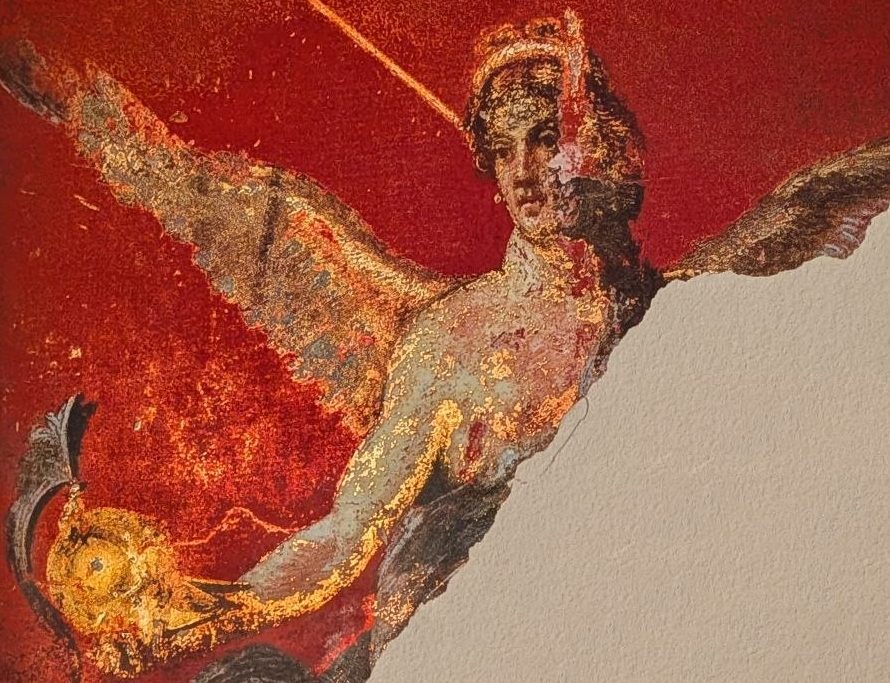
Red Roman-style fresco of a winged woman with a golden shield, for a post on how to deal with anger

How to Deal With Anger: The Wrath of Achilles

Achilles lost his honour and then his closest friend, and his rage nearly destroyed the Greek army. Through his story, we explore how to deal with anger by understanding the appraisals that fuel it. We also look beneath anger at the hurt, grief, and shame it protects. Finally, we share practical therapy tools for calmer, healthier responses.

Learn More »
Joker bobblehead figure holding playing cards, symbolizing reconnecting with inner child through play
Individuals

Reconnecting With Inner Child: What the Joker Teaches

Reconnecting with inner child sounds gentle until Heath Ledger’s Joker shows what happens when play loses every boundary. This piece explores the science of adult playfulness, the seductive pull of chaos, and what Shakespeare’s Puck teaches us about risking mistakes without losing our care for others. Luceris helps people find that balance again.

Learn More »
Why Do I Feel Guilty When I Set Boundaries? Apollo, crowned with laurel and holding a blade, stands over the bound satyr Marsyas while a kneeling youth pleads for mercy: a Baroque fresco of power shown without guilt.
Individuals

Why Do I Feel Guilty When I Set Boundaries? Morality vs. Power

Unexamined Power and Morality intersect to shape our boundaries and hidden guilt. When we set limits, unrecognized moral programming triggers internal static, leaving us trapped between self-interest and obligation.

Luceris, helps us untangle these complex psychological patterns and support you in navigating boundaries with clarity.

Learn More »
A lone figure stands on a rocky cliff above the clouds under a starry night sky, symbolizing how to practice acceptance while facing life's uncertainty.
Individuals

How to Practice Acceptance: From Nietzsche and Odysseus

We all carry an underworld inside us, full of grief, shame, and old wounds. Nietzsche compared his own philosophy to Odysseus’s descent into the underworld, a place we can visit without hiding from it. This post explores how we can practice acceptance by facing our depths and still choosing, again and again, to come home to life.

Learn More »
Two lions resting side by side representing vulnerability in relationships.
Couples

Vulnerability in Relationships: Individual and Relational Security

We navigate vulnerability in relationships burdened by hidden fear and protective armor. Unseen emotional walls block authentic connection because old relational wounds feed deep avoidance patterns. Dropping these shields demands deliberate courage; shared clinical guidance makes transformation possible. Luceris helps individuals and couples build lasting security through structured clinical pathways.

Learn More »
A worker carries heavy sacks on a motorcycle in busy Hanoi traffic. This visualizes the exhaustion that makes us ask why am I so lonely and tired.
Individuals

Why Am I So Lonely and Tired? Deconstructing Burnout Culture

Chronic exhaustion often feels like a personal failure. Millions ask themselves, “Why Am I So Lonely and Tired?” This post exposes the hidden structural forces driving our collective burnout, examining everyday routine fragmentation, decolonial theory, and de-pathologizing clinical strategies like somatic awareness and values-based action. Luceris provides systemic, de-pathologizing psychotherapy to help us navigate these socio-economic pressures and move from isolated distress toward genuine somatic safety and systemic awareness.

Learn More »
A glowing sun viewed through a rigid chain-link fence, illustrating why therapy isn't working when it tries to constrain human nature within artificial structures.
Individuals

Why Therapy Isn’t Working: Normal is a Trap

The modern world treats psychological distress as an internal failure or a genetic glitch. However, our epidemic of anxiety and depression is actually a collective biological alarm. It is not a sign of individual brokenness. Instead, our pain represents a coherent protest against a toxic culture. Luceris moves beyond reductionist medical labels to reclaim your personal agency, to learn about your personal life.

Learn More »