
How to Know If My Relationship Is Unhealthy: Beauty and Beast

Beauty and the Beast becomes a case study in this post. Belle experiences fear long before anyone raises a hand. The castle keeps her isolated from anyone who might help her see the pattern. It also questions whether love alone can change a dangerous partner. This post asks how to know if my relationship is unhealthy, grounded in real research. Luceris offers a space to explore that question and also what to do about it.
Why Do I Feel Lonely in My Relationship? What’s Really Going On
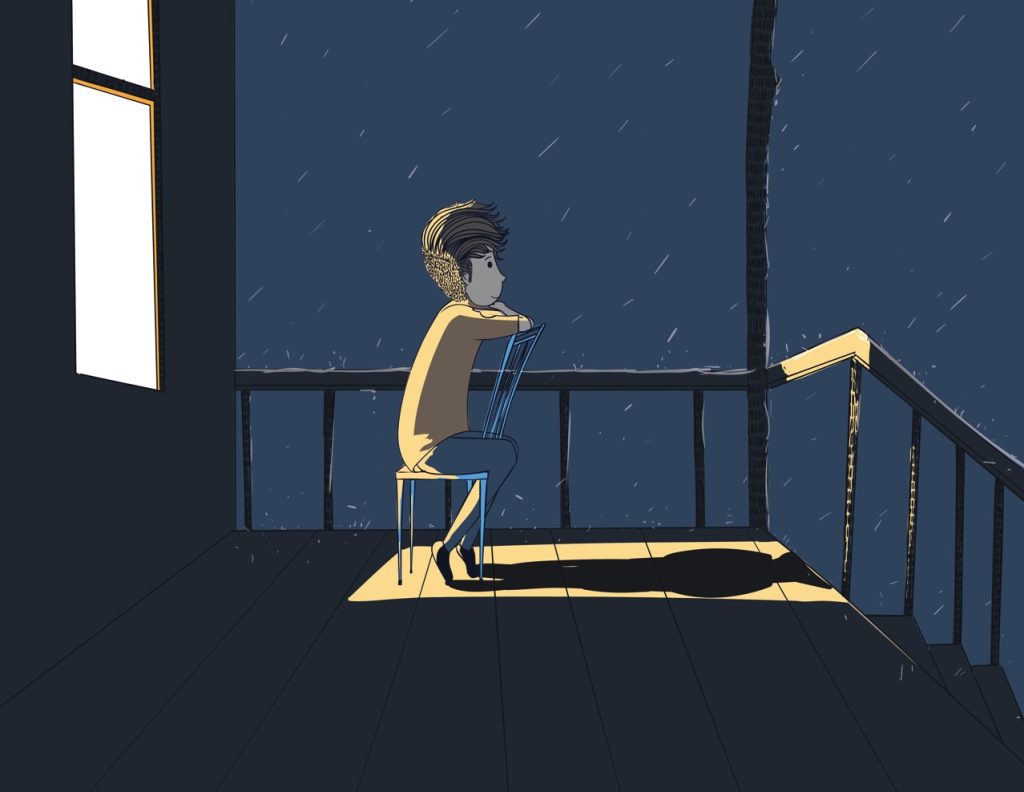
Relational loneliness shows up even in relationships that look fine from the outside; the quiet secrecy and withdrawal that cause it are more common than people think. This post breaks down that pattern through Michael and Kay Corleone’s marriage in The Godfather, and how Luceris helps couples work through the same distance in their own relationship.
Reconnecting With Inner Child: What the Joker Teaches

Reconnecting with inner child sounds gentle until Heath Ledger’s Joker shows what happens when play loses every boundary. This piece explores the science of adult playfulness, the seductive pull of chaos, and what Shakespeare’s Puck teaches us about risking mistakes without losing our care for others. Luceris helps people find that balance again.
Why Do I Feel Guilty When I Set Boundaries? Morality vs. Power

Unexamined Power and Morality intersect to shape our boundaries and hidden guilt. When we set limits, unrecognized moral programming triggers internal static, leaving us trapped between self-interest and obligation.
Luceris, helps us untangle these complex psychological patterns and support you in navigating boundaries with clarity.
Vulnerability in Relationships: Individual and Relational Security

We navigate vulnerability in relationships burdened by hidden fear and protective armor. Unseen emotional walls block authentic connection because old relational wounds feed deep avoidance patterns. Dropping these shields demands deliberate courage; shared clinical guidance makes transformation possible. Luceris helps individuals and couples build lasting security through structured clinical pathways.
Why Am I So Lonely and Tired? Deconstructing Burnout Culture

Chronic exhaustion often feels like a personal failure. Millions ask themselves, “Why Am I So Lonely and Tired?” This post exposes the hidden structural forces driving our collective burnout, examining everyday routine fragmentation, decolonial theory, and de-pathologizing clinical strategies like somatic awareness and values-based action. Luceris provides systemic, de-pathologizing psychotherapy to help us navigate these socio-economic pressures and move from isolated distress toward genuine somatic safety and systemic awareness.
How to Stop Compulsive Scrolling: Escaping the Digital Machine

We notice how digital habits often fracture our internal sense of calm. These cycles distract us from the genuine emotions we might otherwise experience. When we learn how to stop compulsive scrolling, we create the necessary space for authentic self-reflection. We often blame ourselves for these patterns without considering the underlying influence of the platforms. By understanding the function of these habits, we move toward a more grounded perspective. We prioritize our own needs over the demands of the digital feed. This practice helps us integrate our lived experiences with greater clarity. Learning how to stop compulsive scrolling empowers us to reclaim our focus. We find that our capacity for connection expands once we step away from the screen. Luceris provides the clinical support to explore these internal processes more deeply.
Emotional Regulation Techniques: The Science of Feelings

Whether you are riding the high-stress waves of a demanding career or navigating the quiet anxieties of daily life, mastering your internal landscape is no longer optional, it is a vital survival skill. Truly managing your mental well-being requires moving past generic self-help advice and adopting proven, science-backed emotional regulation techniques. By understanding how your brain processes distress, you can actively rewrite your mental blueprint, transform your relationship with your feelings, and build a sustainable foundation for lasting psychological resilience with Luceris.
How to Apologize Effectively: A Guide to Sincere Apologies

Authentic apologies require direct ownership, not vague jargon. “Therapy speak” often acts as a shield to deflect guilt and avoid accountability. This avoidance leaves the victim without real closure or repair. To fix a bond, you must name your mistakes directly. Active language builds the transparency needed to restore trust. Luceris helps people learn how to apologize effectively.
Why I Feel Like a Failure — Systemic Suffering and Distress

A deep-dive analysis into the structural roots of emotional distress. Moving beyond the medical model, this post utilizes Lacanian psychoanalysis and influence from geographers to show how our environment and the “Big Other” dictate our sense of self-worth. Learn how to stop internalizing systemic violence and start reclaiming your autonomy through structural clarity with Luceris.