
At some point, most people notice a pattern they cannot easily explain. A decision feels clear in the moment, yet hours or days later, behavior moves in the opposite direction. A relationship begins to deepen, and something inside pulls away. An important task sits untouched until pressure mounts. The same choices repeat, even when the consequences feel obvious.
In those moments, a painful question surfaces: why do I sabotage myself?
Self sabotage does not usually look dramatic. It appears in hesitation, avoidance, overreaction, or withdrawal. One part of the mind moves toward growth, intimacy, or success, while another part tightens as if something feels threatened. Both impulses feel real. Both carry their own logic. The conflict between them often creates the behavior that later feels confusing or self defeating.
Many people respond by increasing control. They promise greater discipline, harsher self correction, or stricter rules. Despite that effort, the pattern persists. Willpower alone rarely resolves it because the struggle does not arise from weakness. It grows from the way the mind organizes experience, emotion, and memory.
Psychological research and clinical work suggest that the mind does not operate as a single unified voice. Different motivational systems compete for priority. Emotional memories activate quickly and shape perception before conscious thought catches up. Protective strategies develop over time to guard against pain, and those strategies can continue operating long after the original threat has passed. When these layers interact, behavior can look like sabotage even when it began as an attempt to stay safe.
The sections that follow explore five psychological processes beneath self sabotage. First, we will examine why the mind often feels divided, as if different parts want different outcomes. Next, we will look at how reactions can take over before conscious understanding forms. Then we will explore the ways the mind protects itself through avoidance and defense. After that, we will consider why insight alone rarely changes entrenched patterns. Finally, we will turn to therapy itself and examine how structured conversation can gradually reorganize internal conflict.
Understanding these dynamics does not eliminate struggle overnight, yet it replaces self blame with clarity. When the pattern begins to make sense, change becomes more possible.
The Mind Is Not One Unified Voice
When someone asks “why do I sabotage myself?”, the question often assumes that a single, rational self should be in charge. If that self truly wanted success, closeness, or change, then behavior would simply follow. The frustration comes from the gap between intention and action.
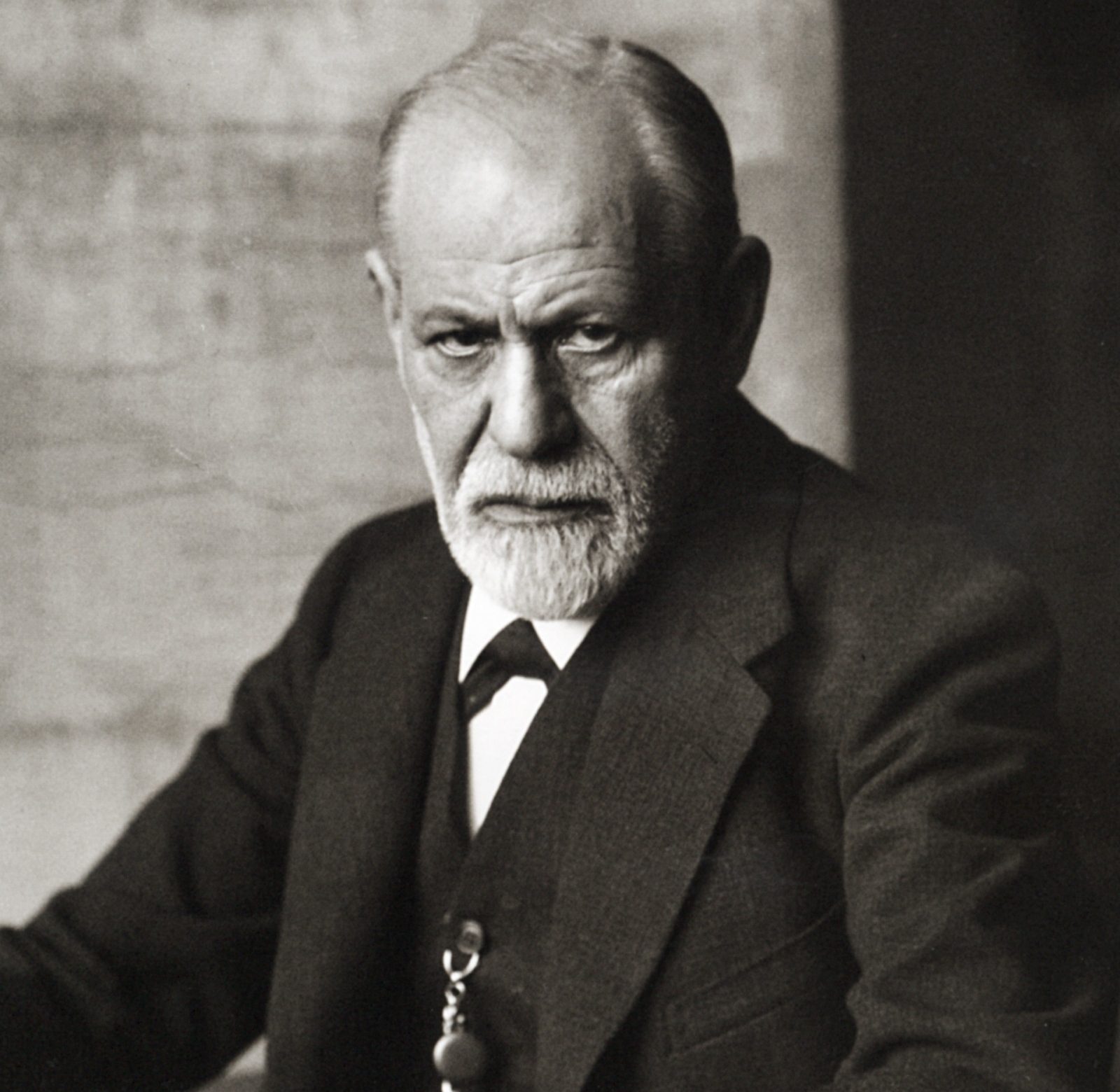
Psychology has long challenged the idea that the mind functions as one seamless unit. Sigmund Freud, despite the controversy surrounding many of his specific theories, introduced a powerful observation that remains clinically relevant: the mind is composite. Different forces operate within it at the same time. Some of those forces cooperate. Others compete.
Freud described this tension through structures such as the id, ego, and superego. The language may feel dated, yet the underlying insight still resonates. Certain drives push for immediate relief, pleasure, or safety. Another system tries to organize behavior in line with long term goals. A third voice evaluates, criticizes, and imposes standards. Modern psychology does not rely on Freud’s exact framework, yet contemporary models echo the same core idea.
Neuroscience speaks in terms of interacting systems rather than psychic agencies. Limbic networks generate emotional urgency. Prefrontal regions regulate and plan. Threat detection circuits activate quickly when something feels uncertain. Attachment systems respond to cues of closeness or distance. These systems do not always align. In moments of stress, one can dominate the rest.
Freud also emphasized that these subcomponents can feel autonomous. Anyone who has tried to concentrate while part of the mind insists on distraction recognizes this experience. A person may sit down with full intention to focus, only to find hunger, irritation, desire, or anxiety rising with surprising force. The conscious plan loses ground. Another motivational state takes over.
In therapy, this internal competition often becomes visible. A client may speak about wanting intimacy, yet describe pulling away when closeness increases. Another may value stability while repeatedly creating chaos. One part longs for change. Another part anticipates danger and intervenes. Neither part feels imaginary. Both reflect real psychological processes.
Freud’s claim that people consist of “contradictory drives” remains clinically useful because it removes moral judgment from the equation. Self sabotage begins to look less like weakness and more like conflict. Growth oriented motivations and protective motivations collide. When the protective system wins, behavior may appear irrational from the outside, yet internally it makes sense.
Modern approaches such as schema therapy and internal systems models build on this understanding. They describe parts of the personality that carry fear, shame, or anger from earlier experiences. These parts activate automatically when current situations resemble past threats. The adult self may understand that the present differs from the past, but the activated system reacts first.
From this perspective, self sabotage reflects a struggle between competing internal priorities. One system moves toward opportunity. Another system prioritizes safety. When safety feels uncertain, it often overrides aspiration. The result can look like avoidance, procrastination, withdrawal, or overreaction.
Recognizing this internal multiplicity marks an important shift. Instead of asking why you would undermine yourself, a more accurate question emerges: which part of you stepped in, and what did it believe it was protecting you from?
Why Do I Sabotage Myself? When Something Takes Over
Self sabotage often does not feel deliberate. It feels sudden. A shift in mood appears before any clear thought forms. A comment lands, and the body tightens. A delay in response sparks certainty that something is wrong. Within minutes, behavior follows that emotional surge.
Freud used the word “complex” to describe this kind of activation. He believed that certain experiences cluster together beneath awareness, organized around themes such as rejection, shame, failure, or abandonment. Those clusters do not disappear simply because time passes. They remain structured in the background, shaping perception quietly. When something in the present resembles the earlier emotional pattern, the entire cluster can rise at once. The reaction then carries more than the current moment. It carries accumulated meaning.
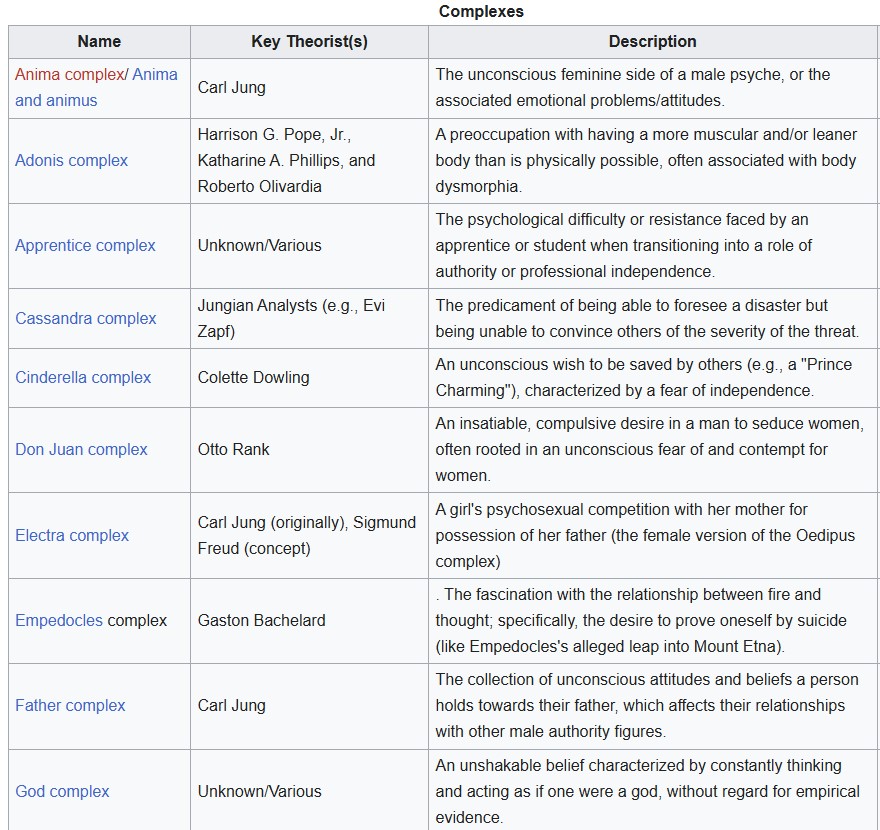
https://en.wikipedia.org/wiki/Complex_(psychology)
Modern psychology describes this in different language, yet the core idea remains consistent. Schema theory explains how repeated experiences form deeply held patterns about the self and others. If someone grows up feeling unseen or criticized, the mind may organize around a belief such as “I am not enough” or “I will be rejected.” These schemas do not operate as single thoughts that can be corrected with logic. They function more like lenses that filter what stands out and what fades into the background. When activated, they heighten sensitivity to confirming cues and amplify emotional response.
Neuroscience adds another layer without contradicting this framework. Emotional memory encodes differently from narrative memory. The body can register threat before the mind constructs a story about it. In that sequence, the nervous system responds first, and conscious reasoning tries to catch up afterward. This is why reactions can feel so immediate and difficult to control. The experience of being “taken over” reflects a rapid activation of emotional memory, not a failure of intelligence.
In therapy, this dynamic often becomes visible in small shifts. A person recounts an ordinary interaction until a pause appears or tension enters the voice. When the moment is explored, earlier experiences frequently surface, experiences that carry similar emotional tones. The present situation did not create the reaction on its own. It awakened something already organized inside.
Self sabotage often grows from these activated patterns. An opportunity may stir hope, yet it also stirs memories of past disappointment. Closeness may invite connection while simultaneously awakening fear of loss. The protective system moves quickly, sometimes more quickly than conscious intention. Behavior then reflects the part of the mind that feels most urgent in that moment.
Understanding this process changes the frame. The question shifts from why I am like this to what became activated inside me just now. That shift opens space for curiosity rather than condemnation, which becomes essential in loosening patterns that once felt automatic.
How the Mind Tries to Protect You
If inner conflict explains part of self sabotage, and emotional activation explains another, a third layer often hides in plain sight. The mind develops ways of protecting itself from emotional pain. Those strategies can feel reasonable in the moment, even necessary. Over time, they can quietly shape patterns that look self defeating.
Freud called these strategies defense mechanisms. He did not describe them as deliberate lies people tell themselves. He saw them as automatic maneuvers that help the psyche manage distress. When an experience feels overwhelming, threatening, or incompatible with how someone wants to see themselves, the mind finds a way to soften or redirect it.
Avoidance sits at the center of many of these defenses. A difficult conversation gets postponed because the tension feels unbearable. A promising relationship cools because vulnerability stirs anxiety. An important goal loses urgency once doubt appears. In each case, stepping back reduces immediate discomfort. The nervous system settles, at least temporarily. Relief reinforces the behavior, even if the long-term cost grows.
Rationalization often follows close behind. A person who fears rejection may tell themselves that the opportunity was not that important anyway. Someone who feels exposed after opening up may decide the other person simply was not worth the effort. The explanation soothes pride and reduces shame. From the outside, it can resemble indifference. Internally, it functions as protection.
Projection works in a subtler way. When anger or insecurity feels unacceptable, the mind may perceive those qualities more clearly in others. Suspicion replaces vulnerability. Criticism replaces self examination. The focus shifts outward, which reduces the discomfort of looking inward. Freud believed this mechanism played a central role in conflict because it allowed people to disown aspects of themselves that felt threatening.
Contemporary approaches such as Acceptance and Commitment Therapy describe similar processes through the concept of experiential avoidance. When thoughts or emotions feel too intense, people attempt to suppress, escape, or control them. The immediate reduction in distress strengthens the avoidance. Over time, life becomes organized around staying away from discomfort rather than moving toward what matters.
Self sabotage often grows in this soil. The mind attempts to prevent pain, embarrassment, or loss. In doing so, it also restricts growth, connection, and risk. The protective system does not intend harm. It acts according to a simple logic: reduce threat now. When that logic dominates, long term goals lose influence.
Recognizing defense mechanisms does not require harsh self critique. It requires noticing the pattern with precision. The behavior that appears self defeating often began as an attempt to stay safe. When that intention becomes visible, change feels less like fighting oneself and more like updating an old strategy that once made sense.
Why Do I Sabotage Myself? Why Insight Alone Rarely Changes the Pattern
Many people who ask why do I sabotage myself already understand their history. They can explain where the fear began. They can trace the pattern back to earlier experiences. Insight brings clarity, yet the behavior often persists. The repetition can feel discouraging, as though knowledge should have been enough.
Freud believed that bringing unconscious material into awareness reduced its power. He also assumed that traumatic memories functioned almost like recordings that could be uncovered and examined. Modern psychology has refined this view. Memory does not operate as a fixed archive. It reconstructs itself each time it is recalled, blending past experience with present interpretation. The meaning attached to an event shapes its emotional charge more than the factual details alone.
Cognitive science distinguishes between declarative memory and implicit memory. Declarative memory allows you to describe what happened. Implicit memory encodes emotional responses, bodily sensations, and learned expectations without requiring conscious narration. A person can articulate why a relationship ended years ago and still feel a surge of panic when intimacy increases again. The body carries learning that words alone do not reorganize.
Research on memory reconsolidation shows that emotional patterns shift when new experiences occur while the old memory network remains active. Simply understanding the origin of a belief does not automatically alter the emotional prediction tied to it. Change requires updating the nervous system’s expectation in real time. Without that experiential shift, the older pattern continues to guide behavior.
Metacognitive theory adds another layer. It suggests that distress often persists not because of the initial thought or emotion, but because of how the mind relates to it. Rumination, worry, and self monitoring can strengthen the very patterns someone hopes to weaken. Trying to control or eliminate internal experiences can paradoxically increase their intensity.
Freud’s early emphasis on unconscious processes pointed toward this complexity, even if his mechanisms were incomplete. He recognized that certain emotional themes remain active beneath awareness and influence perception long after the original event has passed. Modern research clarifies that those themes live not only in thoughts, but in neural pathways shaped by repetition.
Self sabotage often continues despite insight because the underlying emotional learning remains intact. The mind may know one thing while the body anticipates another. Intellectual clarity opens the door, yet integration requires more than explanation. It requires experiences that gradually reshape the prediction that once felt necessary for survival.
Why Talking About It Can Actually Change the Pattern
If self sabotage grows from divided motives, activated emotional networks, and protective strategies that operate quickly, the natural question becomes how those patterns begin to shift. Many people wonder how therapy works when nothing external changes at first. No immediate life overhaul occurs. The job remains the same. The relationship remains the same. Yet something inside begins to move.
Freud made a radical claim for his time. He proposed that conversation itself could be curative. That idea sounds ordinary now because it has been absorbed into culture. In the late nineteenth century, it challenged the assumption that psychological suffering required only medical or biological intervention. Freud observed that when people spoke freely about their experiences, particularly the ones they avoided, emotional intensity often shifted. Words seemed to reorganize something that had remained fragmented.
Modern research offers several ways of understanding this effect. When an emotionally charged memory becomes active in a safe relational context, the brain enters a window where that memory can update. Neuroscientists refer to this as reconsolidation. The old emotional prediction remains present, yet new information attaches to it. Over time, the nervous system no longer reacts with the same urgency.
Interpersonal neurobiology also highlights the role of attuned conversation. When one person listens closely and responds with accuracy, the brain’s threat systems quiet. Regions involved in reflection and regulation become more active. Emotional experiences that once felt overwhelming can be processed with greater coherence. The act of naming a feeling recruits neural networks associated with regulation, which reduces raw intensity.
Freud noticed something similar long before imaging studies existed. He paid attention to pauses, slips of the tongue, and emotional shifts in tone. He believed those moments signaled material that had not yet integrated into conscious narrative. When explored gently, the scattered pieces often formed a clearer pattern. The client did not simply relive the experience. They reinterpreted it within a broader understanding of themselves.
Self sabotage begins to soften when the internal conflict becomes visible rather than automatic. A protective impulse that once operated silently can be recognized and understood. Emotional memory that once dictated reaction can be linked to its origin. Competing parts of the mind can be heard without one overpowering the rest.
Therapy does not erase motivation or eliminate fear. It creates conditions where previously divided elements can communicate. As that internal dialogue strengthens, behavior gradually reflects a more integrated sense of self. The pattern that once felt inevitable begins to loosen, not through force, but through understanding that reaches deeper than intention alone.
From Sabotage to Integration
The question “why do I sabotage myself?” often begins with blame, yet the layers beneath it tell a more complex story. The mind does not operate as a single voice. Competing motivations pull in different directions, and protective systems move quickly when something feels uncertain. What looks like self defeat often reflects internal conflict rather than lack of effort.
Emotional patterns shaped by earlier experiences can activate before conscious thought catches up. The reaction may seem disproportionate, yet it carries older meaning. Avoidance, rationalization, and withdrawal often emerge as attempts to manage discomfort. These strategies once reduced distress, and the nervous system continues to rely on them even when they limit growth.
Insight helps, but patterns stored in emotional memory require more than explanation. Therapy creates space for those patterns to surface in a regulated way. As experiences are named and linked together, the mind begins to reorganize itself. Competing parts no longer need to overpower each other.
Self sabotage rarely signals a broken self. It points toward unresolved tension within a system that learned to protect itself. When that system becomes better understood, behavior can shift with greater stability and less force.
If this blog raised questions or resonated with your experience, feel free to contact us to learn more or book an appointment to begin exploring these patterns in your own life.