Coping with Life Transitions: Heraclitus and The Gift of Change

Why coping with life transitions is not a sign of instability, but a deeper form of becoming, one that invites us to grow through change, not fear it.

When Stability Feels Lost

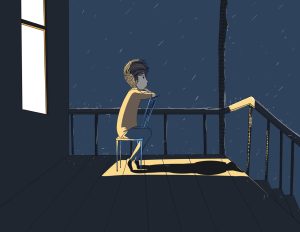
Most of us are taught to fear change. To see it as a loss of stability, a sign of chaos, or a threat to identity. But what if change is not a breakdown, but a becoming?

At Luceris, we work with many clients coping with life transitions, divorce, relocation, job loss, retirement, or identity shifts that feel like starting over. These moments are often accompanied by confusion, grief, and a longing for clarity.

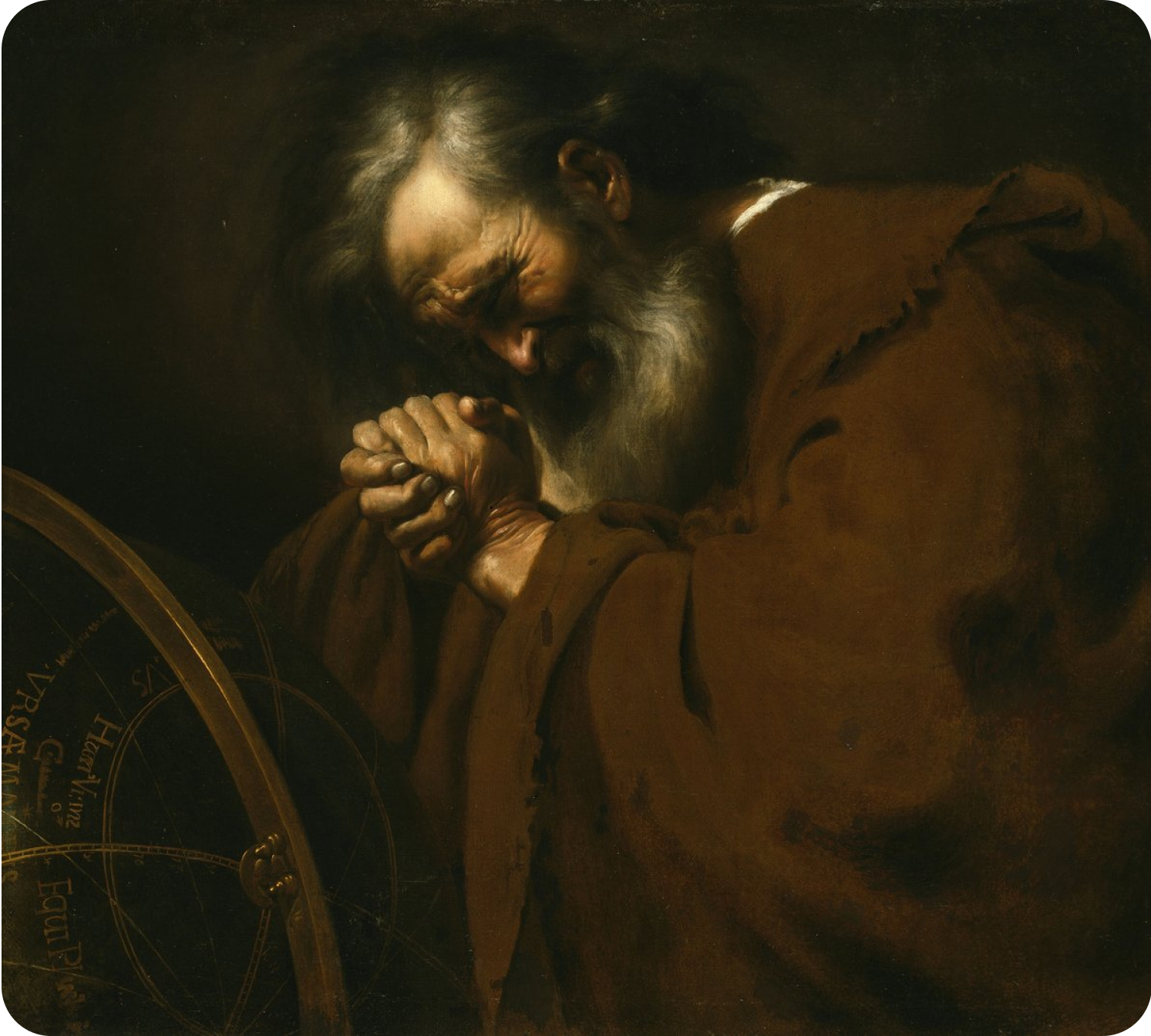
Enter Heraclitus, the Greek philosopher who famously wrote: “You cannot step into the same river twice.” His philosophy reminds us that change is not the exception to life, it is life. And when we stop fighting the current and learn to move with it, something extraordinary happens: healing becomes possible.

Therapy as a Companion in Coping with Life Transitions

In the therapy room, life transitions are rarely just logistical. They are psychological, emotional, and existential. A breakup isn’t only about separation, it’s about who you were in that relationship, and who you now must become. A job change isn’t just professional, it may challenge your sense of purpose, value, or identity.

This is where therapy provides more than just support. It offers a space to make meaning of change.

Heraclitus’ Wisdom: Change as Constant, Not Crisis

Heraclitus did not view change as something to be feared. He saw it as fundamental to existence. Rather than resist the flow of life, he encouraged us to meet it with awareness.

In modern psychology, this mirrors concepts like:

  • Psychological flexibility: adapting to change while staying anchored in values
  • Narrative therapy: rewriting stories we hold about loss, failure, or identity
  • Self-compassion: offering grace to ourselves when life reshapes us

In these approaches, the goal is not to “fix” change, but to befriend it.

Client Story: A New Identity After Divorce

A Luceris client in his early 40s entered therapy after a difficult divorce. He had been married for 15 years. His life had revolved around his partner, children, and routines. Suddenly, that structure was gone.

He said, “I don’t know who I am without this life.”

Through therapy, we explored that statement. Not to contradict it, but to soften it. He was invited to reflect on who he had been before the relationship, what mattered most to him now, and what new chapters he might author going forward.

The turning point came not when the grief ended, but when he said:
“Maybe I’m not losing everything. Maybe I’m being asked to begin again.”

That is the gift Heraclitus offers: not the erasure of pain, but the reframing of it. Change as teacher, or even disruption as doorway.

Why Therapy Helps with Life Transitions

Life transitions challenge our nervous system, our beliefs, and our roles. But they also create unique openings for growth. Therapy offers:

  • Stability in the storm: A consistent space to process, express, and regulate
  • Values realignment: Clarifying what matters most now, not just what used to matter
  • New identity exploration: Making sense of who you’re becoming, not just who you’ve been
  • Permission to feel: Grief, anger, hope, fear, none of it is wrong. All of it is information.

Whether you’re coping with life transitions like endings or uncertain new beginnings, therapy can help you stand in that river with more courage, clarity, and self-trust.

Final Thoughts

You cannot step into the same river twice. But you can step into it with new eyes, new strength, and a deeper sense of self.

Life transitions are not detours. They are portals.

At Luceris, we help you walk through them, not as someone who’s lost, but as someone becoming. Book a session or contact us to begin your next chapter with clarity and support.

Blog

Explore Other Articles

Sigmund Freud portrait related to the question “Why Do I Sabotage Myself?”
Individuals

Why Do I Sabotage Myself? Inner Conflict and Why Therapy Helps

Patterns of self sabotage often feel confusing and frustrating, especially when intentions and actions do not align. Beneath those moments are competing motivations, emotional memories, and protective patterns that operate outside immediate awareness. Exploring the question “Why Do I Sabotage Myself?” can reveal how these internal forces shape behavior and how therapy at Luceris can help you understand and gradually shift them.

Learn More »
A foggy forest with sunbeams filtering through tall trees, symbolizing the experience of feeling lost in life and gradually finding clarity.
Emotional Stuckness

Feeling Lost in Life: How the Mind Reorganizes During Change

When life feels disorienting and the familiar no longer holds, the mind may be quietly reorganizing itself. This article explores how inner shifts unfold and why feeling lost in life can signal deeper growth. If you are moving through this kind of transition, Luceris offers a steady place to navigate it.

Learn More »
Two ducks swimming together, one white and one brown, symbolizing difference and harmony in how to build healthy relationships
Communication

How to Build Healthy Relationships: The Illusion of Compatibility

Many people believe that love depends on finding someone who feels familiar, someone who thinks and feels the same way. The real lesson in how to build healthy relationships begins when that illusion fades. Closeness grows through difference, staying connected when perspectives collide, building safety when emotions rise, and seeing each other as whole even in disagreement. Healthy relationships rest on the courage to keep learning who the other person truly is, which is what Luceris exists to help people do.

Learn More »
A folded map representing guidance and reflection, symbolizing the process of rebuilding trust in therapy.
Anxiety

Rebuilding Trust in Therapy: Turning Life’s Fractures into Meaning

Anxiety, resentment, betrayal, and avoidance are not just symptoms to eliminate. They are signs that the old map of life no longer fits. Luceris helps others face these moments and begin the work of rebuilding trust, in themselves, in others, and in the possibility of meaning. Through constructivist approaches, exposure, and narrative reconstruction, the process becomes less about erasing pain and more about reorganizing it into a framework that can hold both suffering and growth.

Learn More »
Chimpanzee sitting on grass with a thoughtful expression, resting its hand on its chin.
Anxiety

Therapy for Overwhelming Emotions: Ancient Roots, Healing Today

Emotions like fear, grief, and anger are not flaws to be erased but ancient survival systems that still shape our lives. Drawing from neuroscience, chimpanzee behavior, myth, and therapy, this article explores how these primal forces emerge in modern struggles and how therapy for overwhelming emotions helps us face them. At Luceris, clients are supported in discovering strength and meaning hidden inside their most difficult feelings.

Learn More »
A dramatic painting of a burning kingdom in ruins, with a cloaked figure standing among the rubble under a giant ouroboros, symbolizing collapse, renewal, and breaking old patterns in therapy.
Emotional Stuckness

Breaking Old Patterns in Therapy: Renewal and Growth

Every kingdom eventually falls, and so do the patterns in our lives that once offered stability but now create suffering. Myths remind us that collapse is not failure but the first step toward renewal. At Luceris, we guide clients through this process: breaking old patterns in therapy, facing what has been avoided, and creating space for growth and resilience.

Learn More »